Sudurpaschim, Nepal/05 September 2025: Effective action against human trafficking begins with evidence. Without accurate data and firsthand insights, policies risk missing the realities faced by vulnerable communities. In Nepal, where trafficking takes many forms- including forced labour, sexual exploitation and organ removal, gathering grassroots-level information is essential for developing more effective, victim-focused interventions.
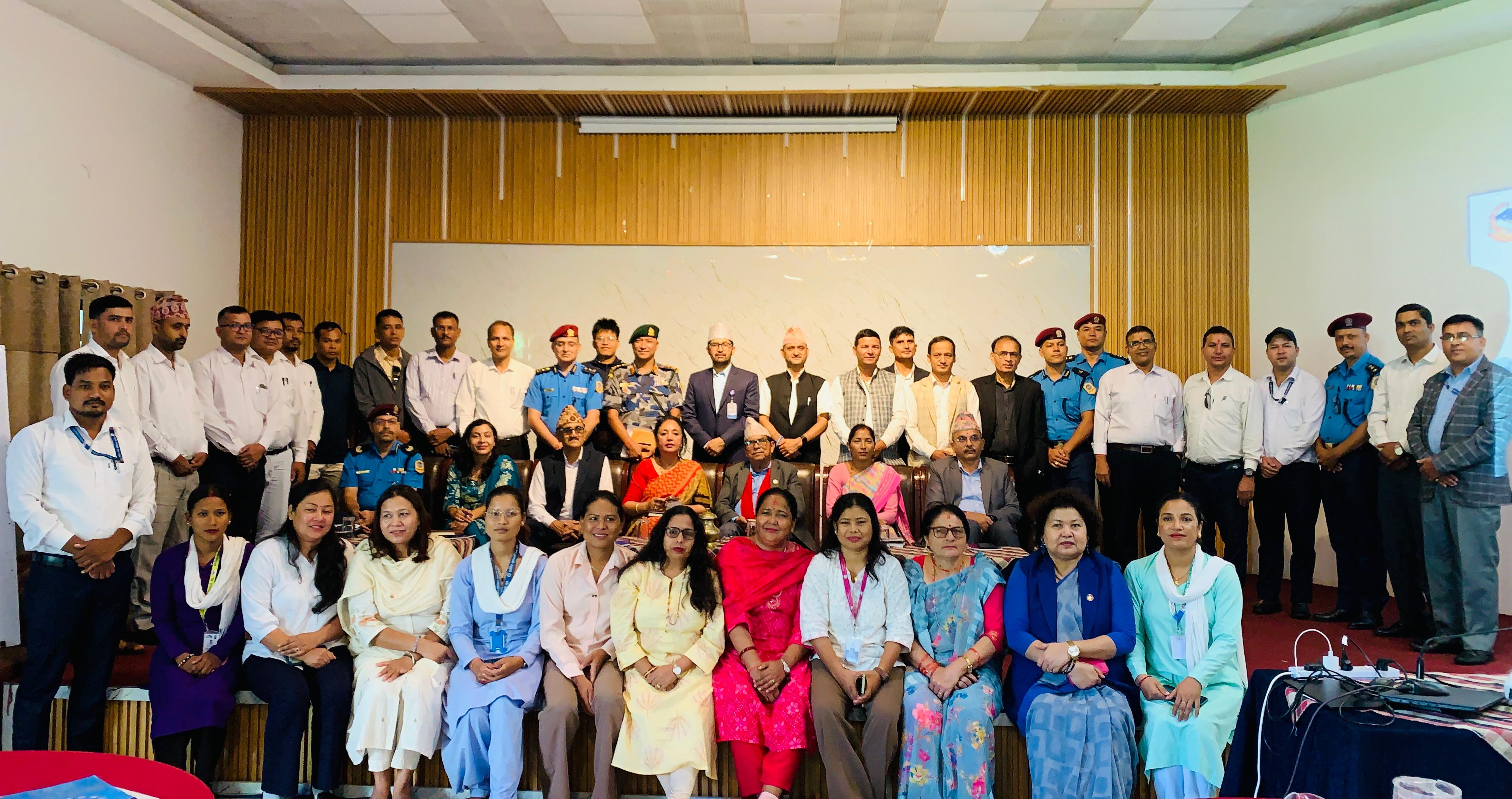
Recognizing this, UNODC, with support from the European Union, convened a provincial consultation in Sudurpaschim Province from 2 to 5 September 2025, aimed at gathering field-based data and perspectives for Nepal’s forthcoming National Report on Trafficking in Persons. Bringing together 70 local civil society stakeholders, the consultation offered a rare window into lived experiences and frontline challenges.
The discussions unveiled disturbing trends. Participants reported that brokers often establish contact with vulnerable girls and women living in remote areas through social media platforms. A nurse reported that the adolescent girls were transported to India for the illegal extraction and sale of ova (egg cells), lured with promises of cash payments.
Border staff reported an increased trend of transportation of children below 10 years from the hills of Nepal to India for engaging them in religious studies. The brokers also bring the recommendation letters from local authorities so that these children are easily transported to India.
Frontline NGOs also reported their work through Border Surveillance Desks, where 20–25 women and children are intercepted each month from crossing into India.
The discussions highlighted systemic gaps—lack of clear victim identification guidelines, limited coordination among ministries for repatriation, and inadequate long-term rehabilitation centres. The challenges are exacerbated due to open borders, which are often exploited by brokers using unofficial border points. For instance, brokers and victims rarely travel together, complicating detection.
By documenting these ground realities, the consultation ensured that voices from border control staff, hospitals, and communities feed directly into the national strategy. This participatory approach not only grounds the National Report in evidence but also strengthens Nepal’s ability to design victim-centered, data-driven, and coordinated interventions against trafficking.
This activity contributed to SDG 5, SDG 16 and SDG 17: https://sdg-tracker.org/
(The project is funded by the European Union)