(Photo Courtesy: Narcotics Control Bureau, Government of India)
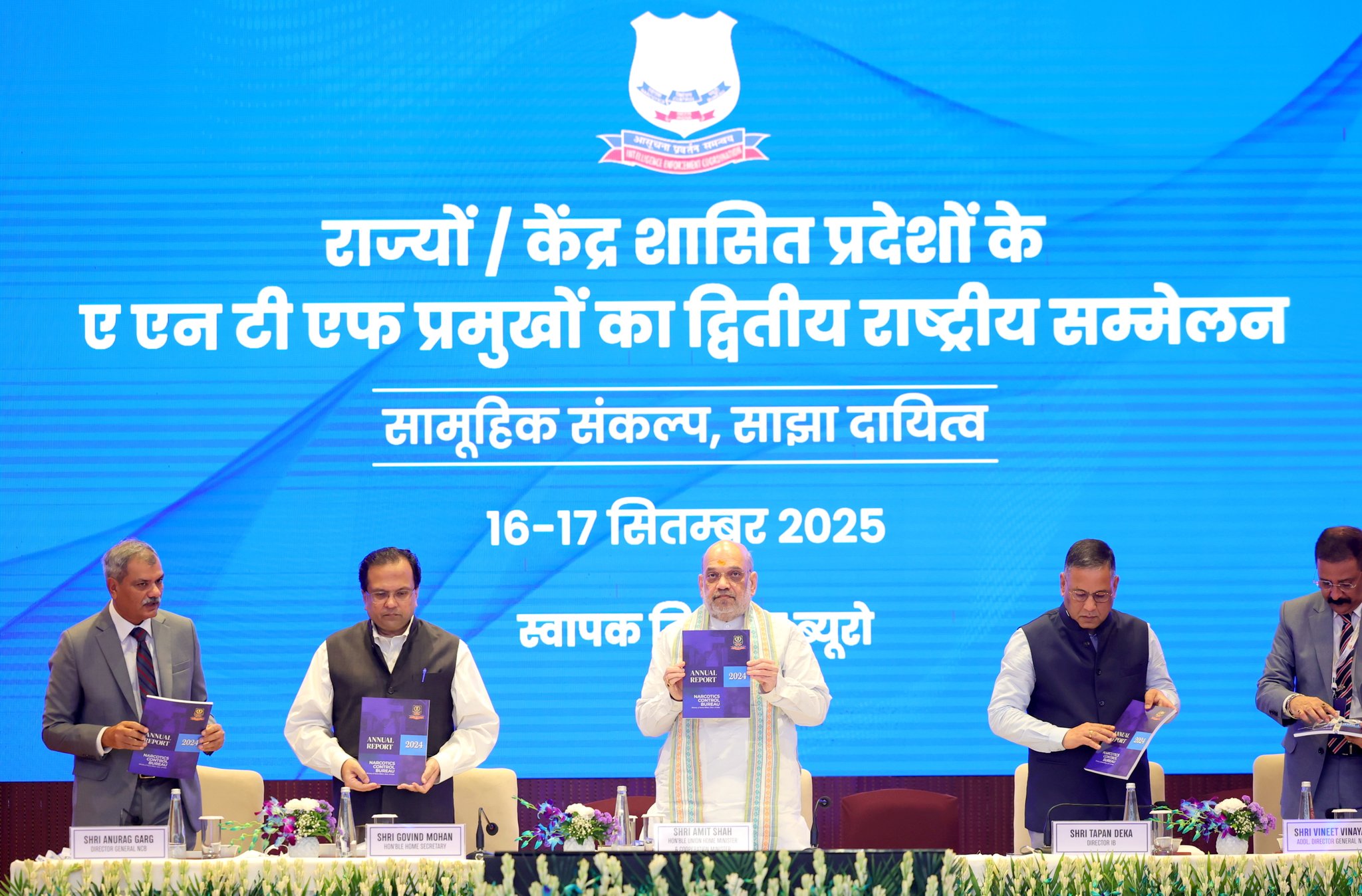
New Delhi, India/ 17 September 2025: UNODC presented global good practices in drug demand reduction and shared the latest trends in trafficking at the first National Conference of Heads of Anti-Narcotics Task Force (ANTF) of states and Union Territories, convened by the Ministry of Home Affairs in New Delhi.
Inaugurated by the Indian Home Minister and Minister of Cooperation, Mr. Amit Shah, the gathering marked a significant step in advancing the Government of India’s “zero tolerance” policy on drugs under the leadership of Prime Minister Narendra Modi. Mr. Shah underscored the need for a whole-of-government approach, reaffirming India’s determination to tackle drug trafficking, strengthen institutions, and protect communities from the harm caused by narcotics.
While launching the national online drug disposal campaign, the Union Home Minister stressed the urgency of intensifying efforts in the fight against drugs. He highlighed the importance of leveraging technologies such as darknet analysis and monitoring, cryptocurrency tracking, communication pattern analysis and machine learning models to dismantle cartels.
(Photo Courtesy: Narcotics Control Bureau, Government of India)
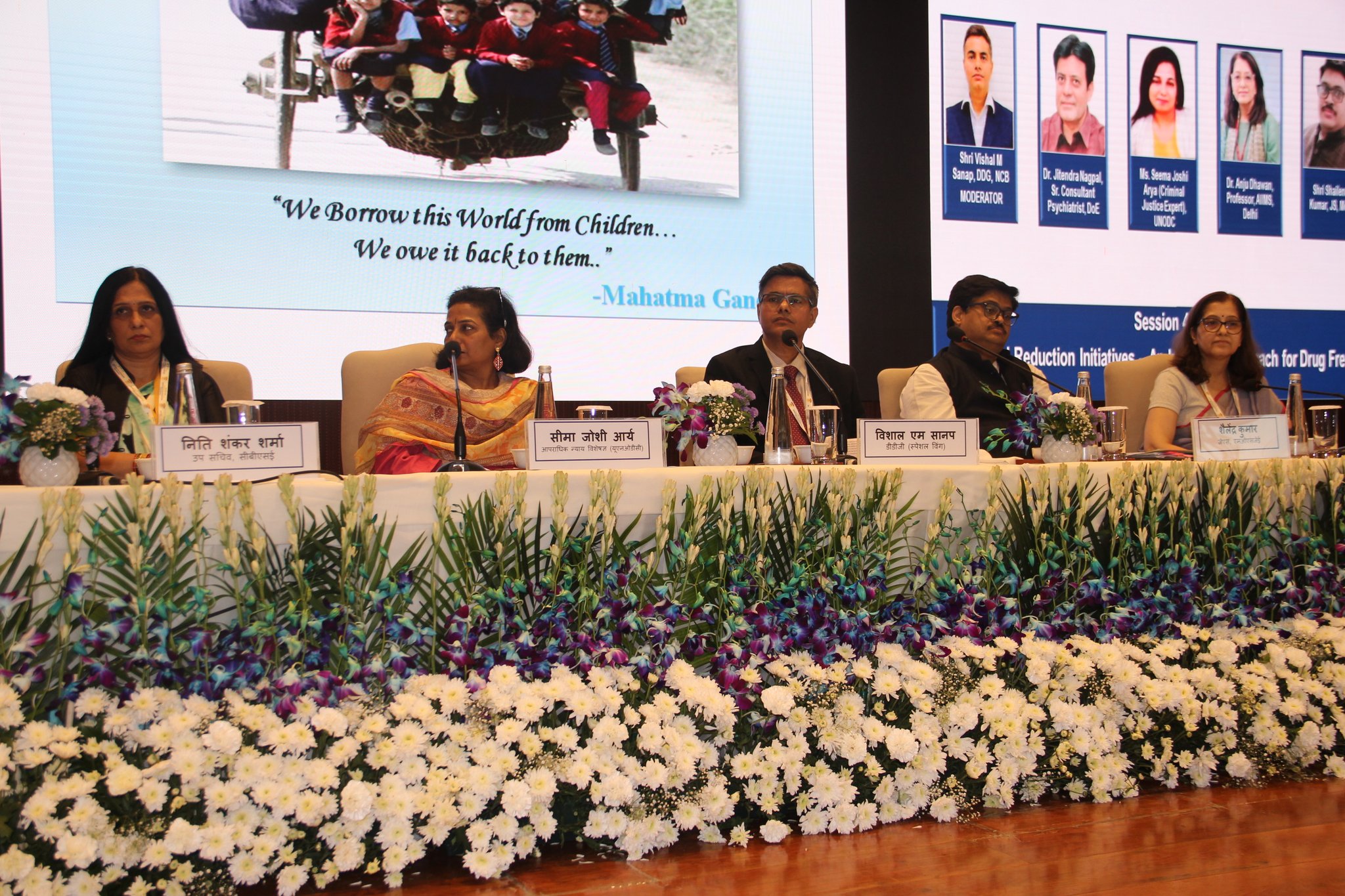
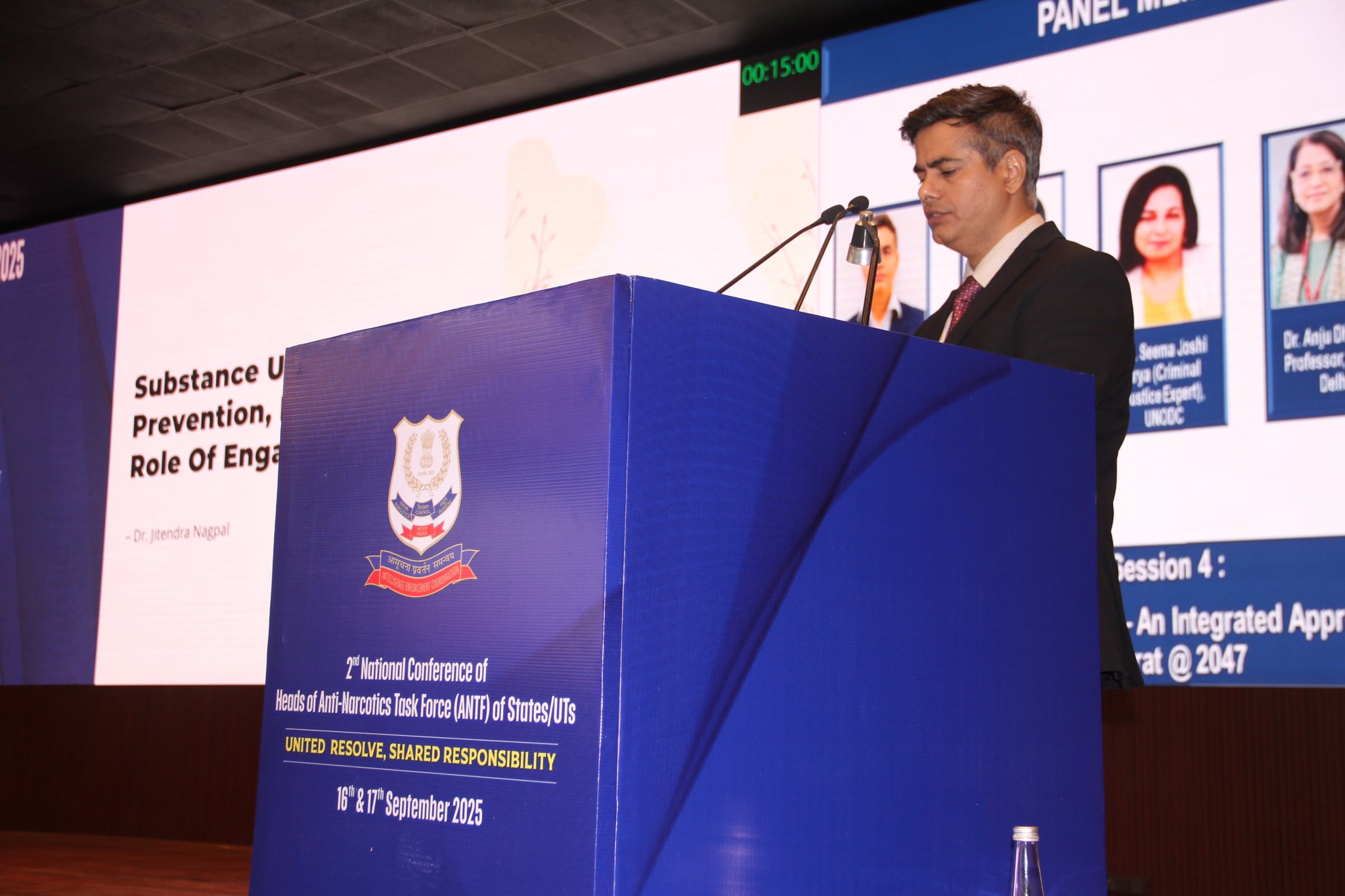
During the conference, participants conducted a thorough review of the initiatives undertaken by States and Union Territories to counter drug trafficking and abuse. The discussions underscored that the drug crisis not only endangers public health and national security but also erodes the fabric of families, communities, and the future of the youth.
Experts highlighted several critical areas shaping the way forward: the role of education and youth engagement in prevention; integrating prevention, treatment, and rehabilitation into the National Drug Control System; the impact of the Nasha Mukt Bharat Abhiyan (Drug Free India Campaign); and the management of De-Addiction Centres. The importance of parents and teachers as key partners in prevention was also emphasized, reflecting the shared responsibility in building resilience among India’s youth.
(Photo Courtesy: Narcotics Control Bureau, Government of India)
UNODC’s engagement at the conference provided an opportunity to strengthen dialogue and cooperation with the Government of India and law enforcement agencies. Building on these discussions, UNODC will continue working with national counterparts to develop a comprehensive strategic framework that addresses the drug problem holistically—balancing enforcement with prevention, treatment, and rehabilitation.
This activity contributed to SDG 3, SDG 16 and SDG 17: https://sdg-tracker.org/
(Hosted by the Government of India)