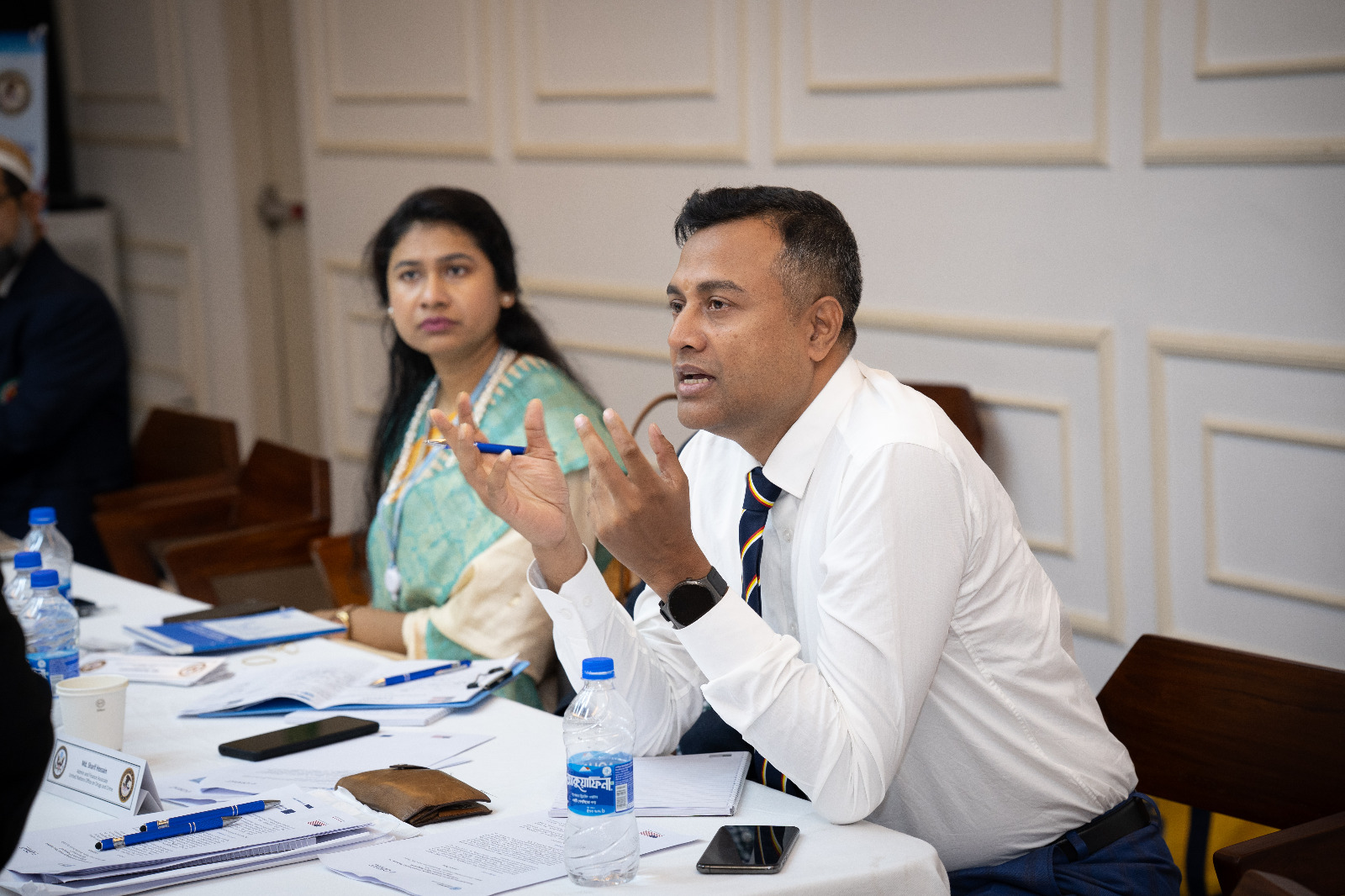
Dhaka, Bangladesh/06 September 2025: Human trafficking and migrant smuggling are complex, clandestine, and covert crimes, often orchestrated by organized networks that exploit people’s vulnerabilities. Latest data indicates that both internal and transnational trafficking exist in Bangladesh. The First National Study on Trafficking in Persons in Bangladesh shed light on the widespread exploitation and abuse taking place, underscoring an urgent need for stronger, coordinated responses that protect victims while ensuring justice.
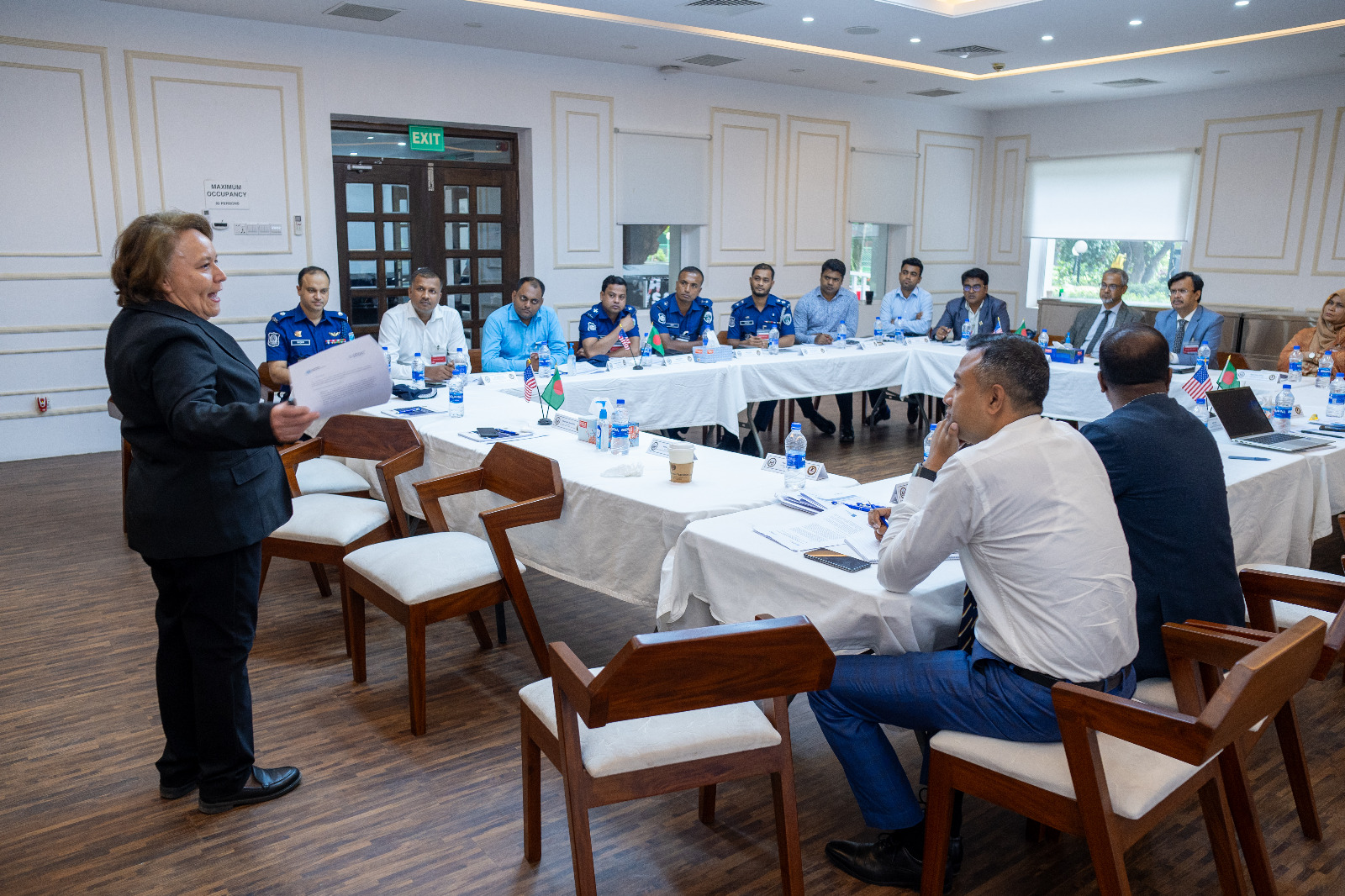
In this context, the United States Department of Justice’s Office of Overseas Prosecutorial Development, Assistance and Training (OPDAT), in collaboration with UNODC (under its European Union-funded initiative Preventing and Addressing Trafficking in Human Beings and Smuggling of Migrants in South Asia), convened a national roundtable in Dhaka. The day-long discussion advanced Bangladesh’s criminal justice response to trafficking in persons and migrant smuggling by fostering collaboration among key actors.
The roundtable brought together 21 judges, prosecutors, and law enforcement officials for an interactive dialogue on the challenges and opportunities in prosecuting and adjudicating trafficking cases. Participants shared experiences from Anti-Human Trafficking Tribunals across the country, pointing to gaps in evidentiary frameworks and the urgent need for stronger victim protection mechanisms. They also highlighted the importance of improved cross-border cooperation to disrupt transnational trafficking networks.

Beyond identifying challenges, the forum provided space for stakeholders to exchange good practices and practical solutions. Discussions emphasized the importance of coordination between investigators, prosecutors, and the judiciary to ensure that trafficking cases are handled efficiently, sensitively, and in line with international standards. The initiative further contributed to the current amendment process of the Prevention and Suppression of Human Trafficking Act (PSHTA) 2012.
Participants left the roundtable with a clearer sense of shared responsibility and renewed commitment to working together. By creating a platform for open dialogue and collaboration, the initiative not only strengthened professional networks but also laid the groundwork for more victim-centered and effective responses.
This activity contributed to SDG 5, 16 and SDG 17: https://sdg-tracker.org/
(The project is funded by the European Union)