
Dhaka, Bangladesh/27 September 2025: Human trafficking and migrant smuggling are critical security issues confronting South Asia, demanding not only stronger law enforcement but also deeper societal awareness. In this effort, academia and higher education institutions play a vital role in sensitising and educating youth on effectively preventing and addressing these crimes. Engaging academia is therefore essential to foster a culture of lawfulness among students.
Recognizing this, 25 faculty members from public and private universities across Bangladesh came together at a UNODC National Workshop to promote the integration of teaching modules on Trafficking in Persons and Smuggling of Migrants into higher education curricula. The initiative built on earlier milestones, including an online consultation and the launch of the university-level modules in 2023 with participation from 25 universities.
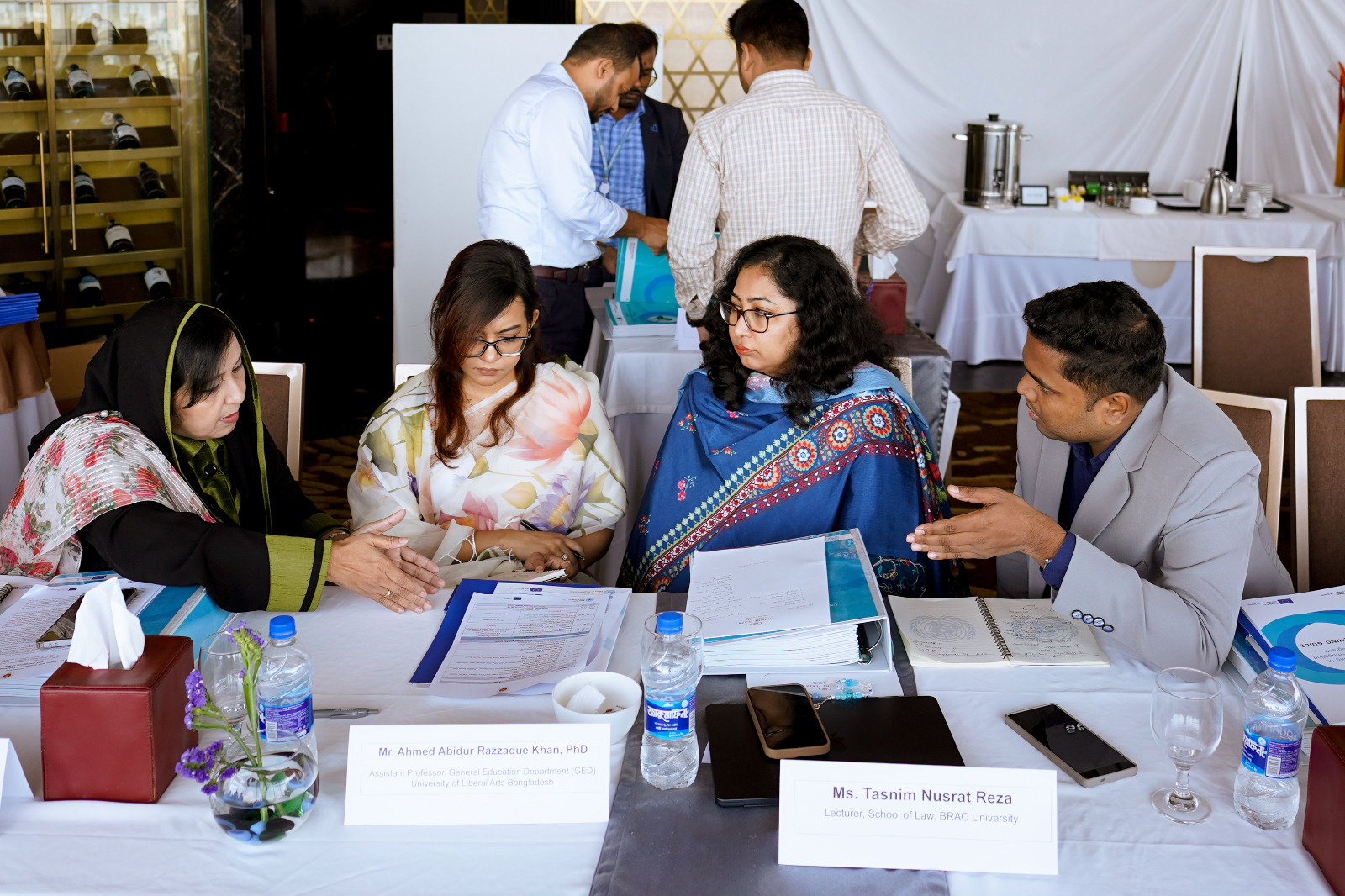
In intensive discussions, participants representing disciplines such as law, criminology, and social sciences explored the 15 UNODC Teaching Modules, which provide both practical and theoretical insights to help educators deliver high-quality, contextualized content in their classrooms. They examined practical ways to adapting these modules to Bangladesh’s legal and policy frameworks, ensuring that future lawyers, judges, and law enforcement professionals graduate with a deeper understanding of trafficking and smuggling issues.
Participants also emphasized that teaching about human trafficking and migrant smuggling is not just about laws and policies, but it is about giving students the tools to think critically, analyze vulnerabilities, and craft solutions that uphold human dignity.
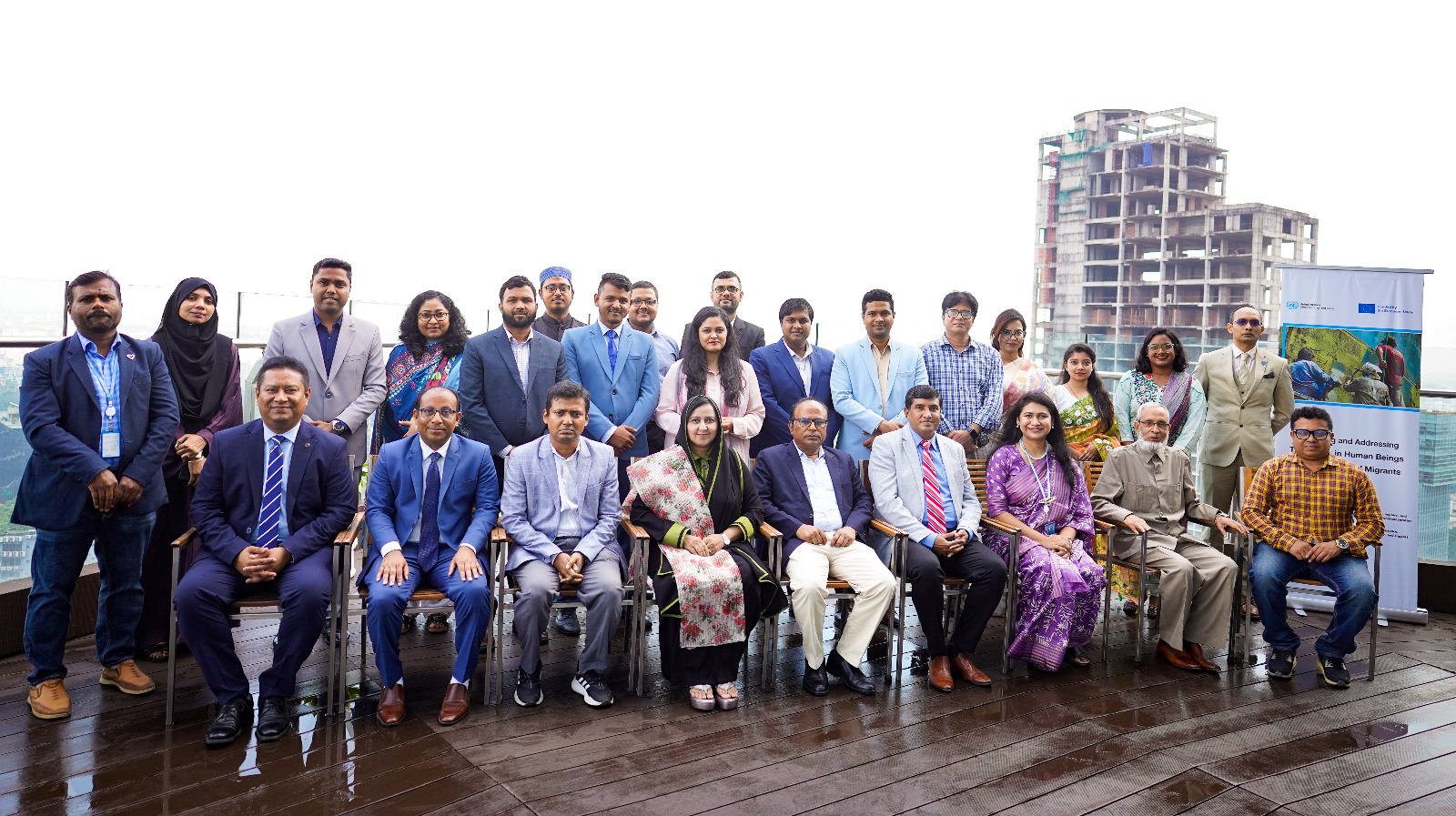
A significant outcome of the workshop was the creation of a new academic network on TIP and SOM, a platform designed to foster collaboration, peer support, and knowledge-sharing among universities. This step marked a shift from individual engagement to collective action, ensuring that educators can continue to support one another as they introduce and expand these topics in their courses.
UNODC reaffirmed its commitment to supporting academic institutions in Bangladesh through capacity-building initiatives, innovative tools, and continued engagement to strengthen education on TIP and SOM at the national level.
This activity contributed to SDG 4, SDG 5, SDG 16 and SDG 17: https://sdg-tracker.org/
(The project is funded by the European Union)