Nagarkot, Nepal/31 October 2025: Airports, as critical gateways for trade and connectivity, are also potential conduits for illicit trafficking. Effective risk assessment and management are vital for identifying legitimate consignments from high-risk or illicit ones, ensuring that air cargo systems remain secure and transparent. Strengthening the ability of frontline officers to assess and manage risks is therefore essential for preventing the movement of illegal goods.
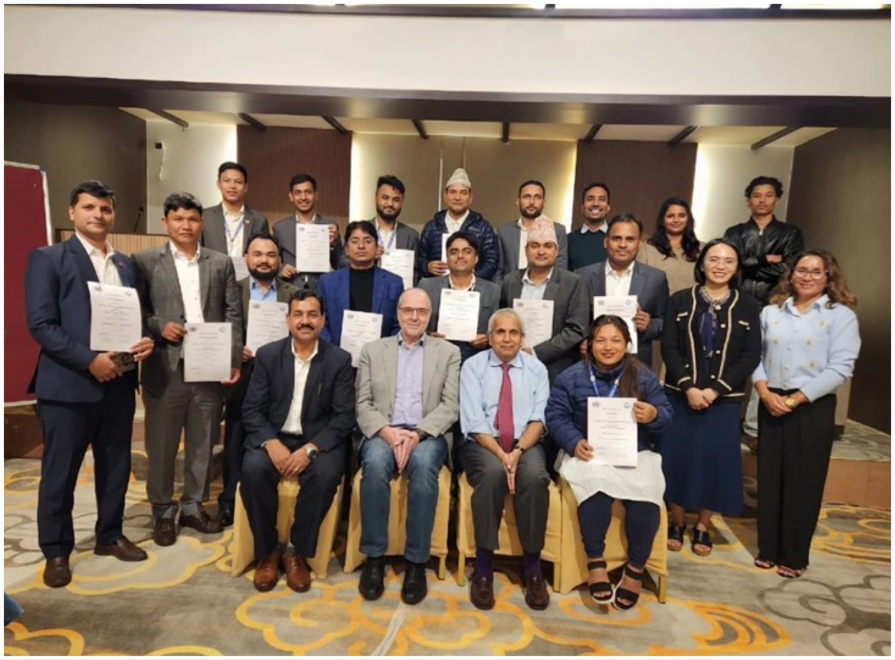
Recognizing this, the UNODC Passenger and Cargo Control Programme (PCCP), in collaboration with the World Customs Organization (WCO), organized a Refresher Air Cargo Interdiction Training for Nepal Customs in Nagarkot, Nepal. The four-day programme brought together 14 Customs officers representing seven key international and domestic airports across the country. Led by a WCO training expert, the sessions focused on advanced risk management, risk assessment, and profiling techniques for detecting strategic and high-risk goods.
Through an engaging mix of theory and hands-on exercises, participants strengthened their understanding of intelligence-driven inspections, targeting methods, and operational coordination. The training provided a much-needed opportunity for officers to exchange lessons learned and discuss common operational challenges, building a stronger and more connected Customs network across Nepal’s airports.
The workshop delivered significant outcomes for Nepal Customs’ enforcement capacity. Officers improved their ability to identify and interdict illicit cargo, improving both the accuracy of risk profiling and the efficiency of trade clearance procedures. By reinforcing coordination between airports, the training also helped standardize procedures and risk-profiling practices and align Nepal’s enforcement systems with international best practices.
The initiative fostered a shared understanding of risk indicators, concealment trends, and profiling criteria among officers. By pooling insights from different airports, participants developed common checklists and coordination mechanisms that will enhance communication and intelligence exchange nationwide. These outcomes are expected to strengthen enforcement efficiency and minimize vulnerabilities in cargo movements.
The initiative also underscored the importance of information sharing on emerging trafficking routes, new concealment methods, and typologies of illicit trade, supporting a proactive, evidence-based approach to enforcement.
By investing in the continuous capacity development of frontline officers, UNODC and WCO are helping ensure that Nepal Customs remains agile and well-prepared to detect, deter, and disrupt illicit air cargo movements.
This activity contributed to SDG 16 and SDG 17: https://sdg-tracker.org/
(Supported by the US Government)