Colombo, Sri Lanka/31 July 2025: The global drug landscape is rapidly shifting, with synthetic drugs like methamphetamine and synthetic opioids posing growing risks. As synthetic drug threats grow more sophisticated due to evolving trafficking patterns, ensuring frontline officers are equipped with the latest knowledge and tools is vital to safeguarding communities and national borders.
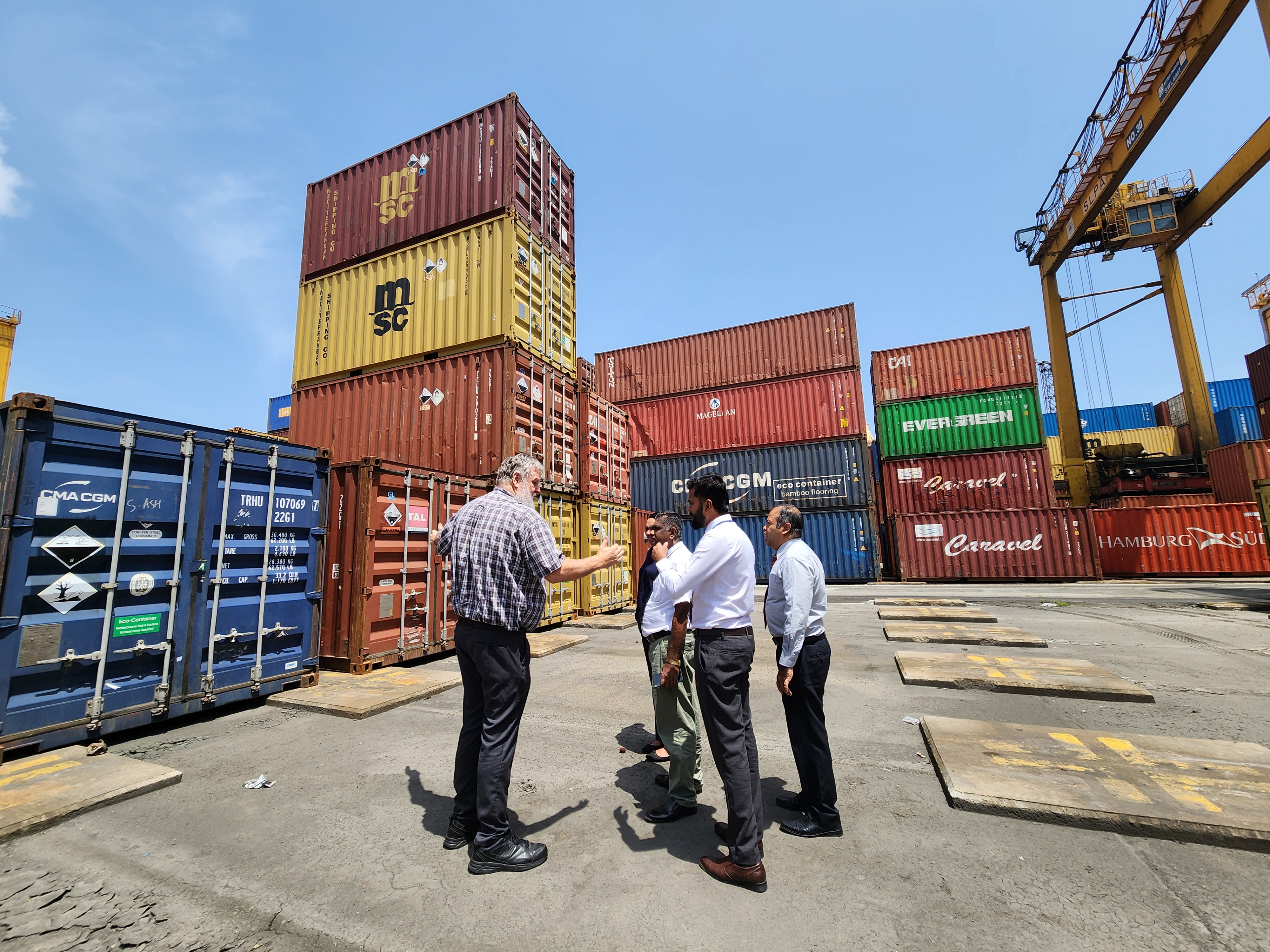
Recognizing this need, 20 officers from Sri Lanka Customs were trained on anti-smuggling responses through a UNODC workshop under its Passenger and Cargo Control Programme (PCCP). Supported by the U.S. Bureau of International Narcotics and Law Enforcement Affairs (INL), the training bolstered officers’ capacities to detect and intercept illicit drugs and precursor chemicals. Through an integrated approach combining classroom sessions and field-based learning, the training focused on regional drug trafficking trends, innovative concealment techniques, and advanced profiling strategies.
Ms. Julie Chung, the Ambassador of the United States to Sri Lanka, said, “Sri Lanka’s strategic location in the Indian Ocean makes it a critical transit point for international trade, but unfortunately also makes it vulnerable to drug traffickers who use the established route to move illicit substances. The U.S. stays committed to our partnership with Sri Lanka and UNODC in this fight against synthetic drugs.”
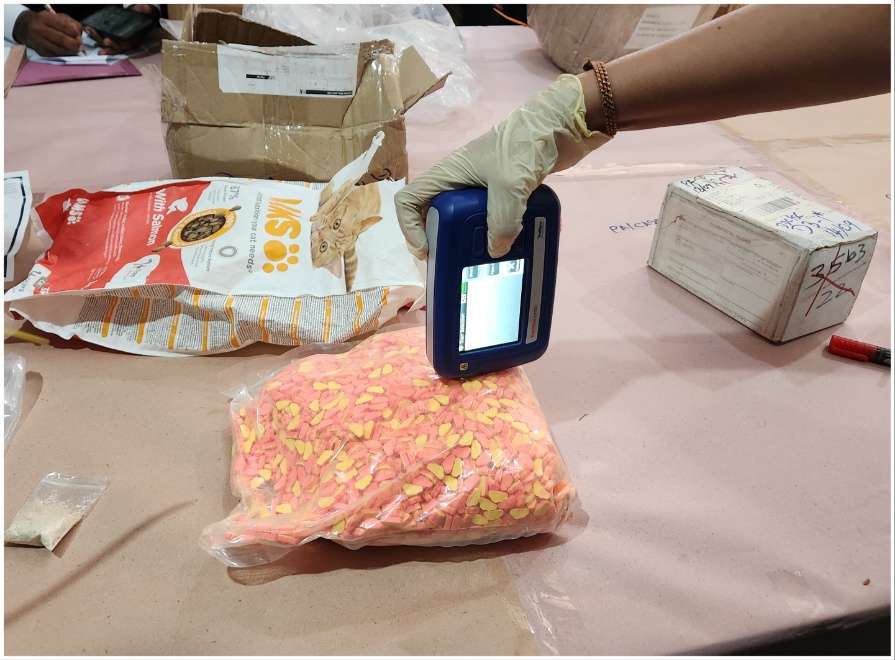
Participants also applied their newly acquired skills to real-world scenarios in a hands-on inspection session at the Colombo Postal Office, screening parcel mail for suspicious indicators and testing their profiling methods in live operational settings.
Mr. P.B.S.C. Nonis, Director General of Sri Lanka Customs, said, “This workshop forms part of a broader effort to strengthen the operational capacity of Sri Lanka Customs under the Passenger and Cargo Control Programme. We remain committed to working collaboratively with our international partners to disrupt illicit flows, protect our borders, and uphold national and regional security.”
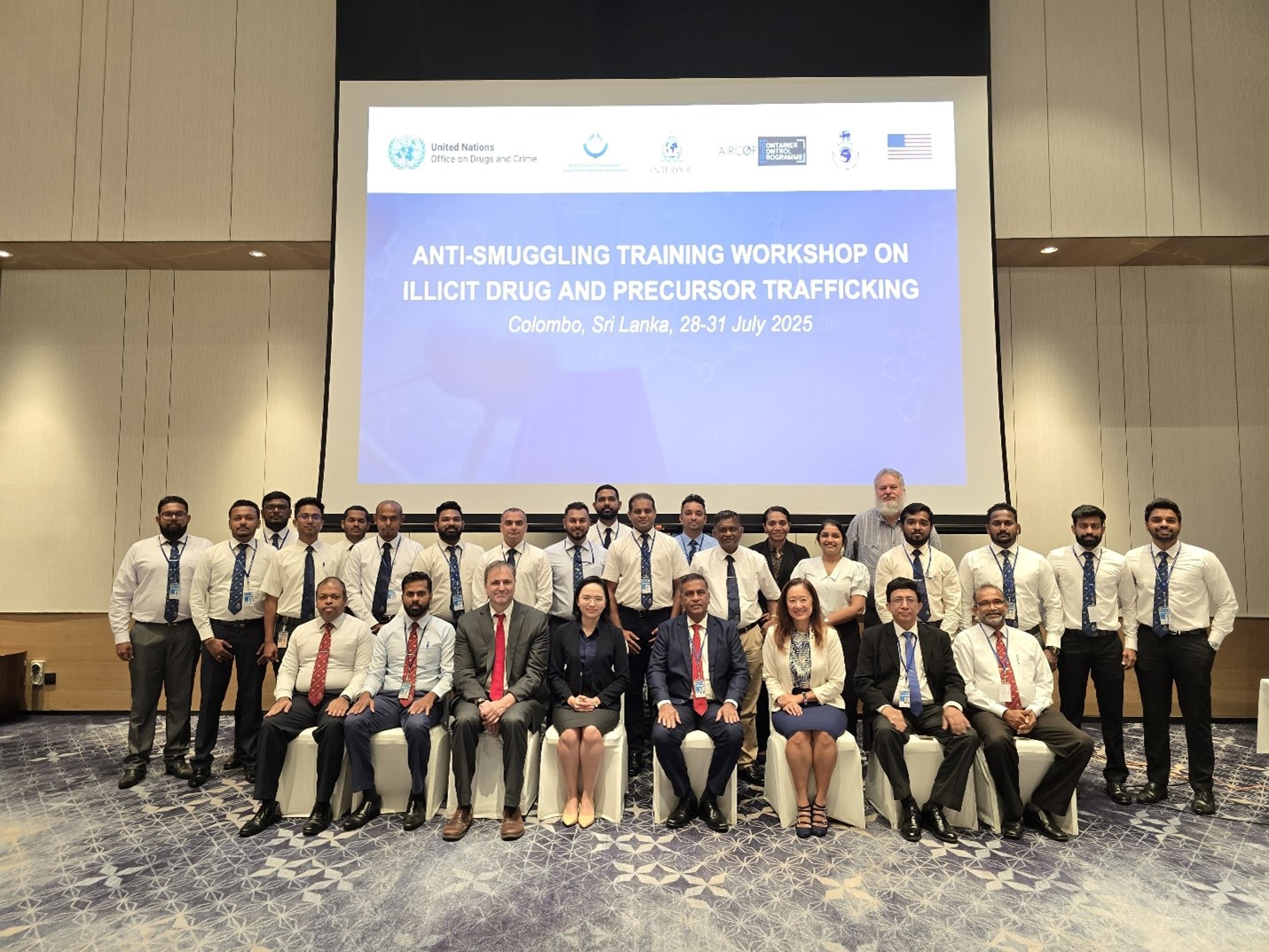
This initiative was part of UNODC’s broader PCCP efforts—run jointly with the World Customs Organization and INTERPOL—currently active in over 89 countries. In Sri Lanka, the PCCP has been a long-term partner, supporting national authorities for over a decade with a focus on capacity-building and operational readiness.
The impact of this sustained engagement is evident: earlier this year, Sri Lanka Customs successfully intercepted narcotics and contraband shipments from Oman, following intelligence sharing fostered during a UNODC-facilitated exchange between Sri Lankan and Omani law enforcement agencies.
This activity contributed to SDG 16 and SDG 17: https://sdg-tracker.org/
(Supported by the U.S. Bureau of International Narcotics and Law Enforcement Affairs)