Guwahati, Assam, India/18 July 2025: Prison systems around the world face a common set of challenges, such as overcrowding, poor health infrastructure, limited access to legal aid, and the growing vulnerability of incarcerated populations to drug use, HIV, and mental health issues. These call for systemic reform rooted in human dignity and the rule of law.
The United Nations Standard Minimum Rules for the Treatment of Prisoners—also known as the Nelson Mandela Rules—offer a global blueprint to uphold the rights and well-being of incarcerated individuals. These rules emphasize respect for the inherent dignity of every prisoner and advocate for humane conditions, access to healthcare, and the rehabilitation of offenders as central pillars of justice.
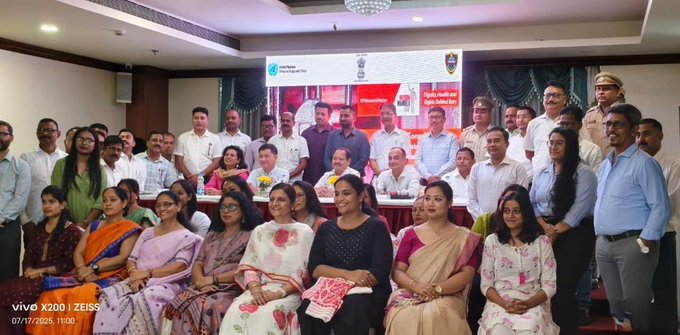
Marking the Nelson Mandela Day, 50 prison staff, legal aid actors and public health professionals emphasised the implementation of the Mandela Rules at a two-day consultation hosted by UNODC, in collaboration with the Assam Prison Department and the Department of Social Justice and Empowerment (SJE). Participants explored pressing issues such as drug use, HIV and mental health in custodial settings, through intensive discussions and practical learning.
Opening the consultation, Mr. Bhaskar Jyoti Mahanta, IPS (Retd.), Former Director General of Assam Police, and Mr. Bhaskar Jyoti Manta, Director, SJE Assam, reaffirmed their commitment to strengthening custodial systems through a human rights-based lens.
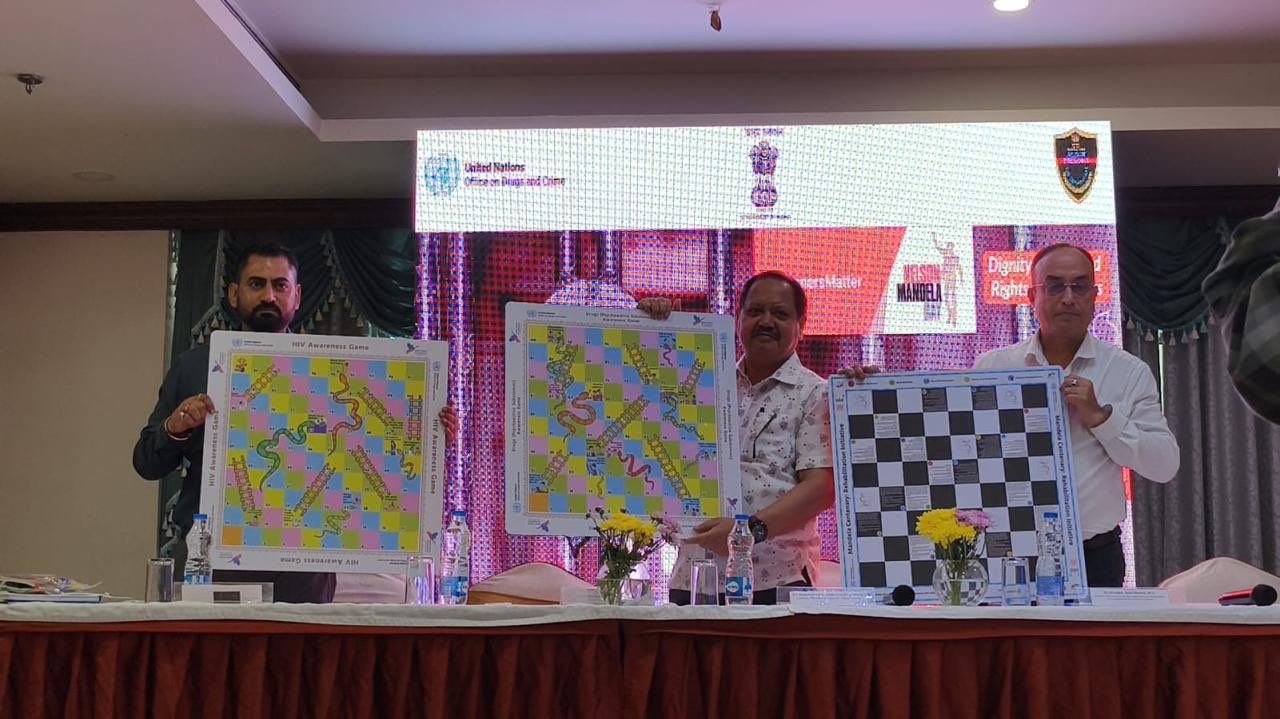
An innovative quiz on the Mandela Rules, designed around real-world prison scenarios, tested and reinforced participants' understanding of ethical custodial practices. An innovative Mandela chess game, centered on the Rules’ five core principles—dignity, safety, healthcare, rehabilitation, and justice—drove home the importance of balanced and informed decision-making in prison environments.
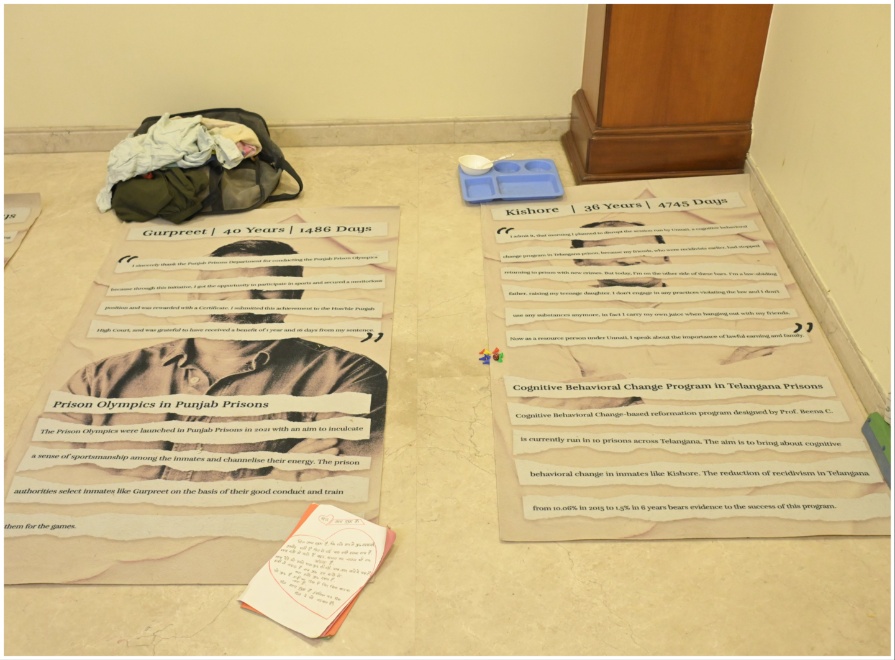
One of the key highlights was a curated visual exhibit featuring stories and personal belongings donated by inmates. These tangible pieces of life behind bars humanized the experience of incarceration, challenging perceptions and calling for empathy and systemic change.
A hands-on workshop on mental health, led through role play by prison staff, equipped participants with simple yet effective strategies to support inmates grappling with psychological distress.
This capacity-building exercise reflected a growing recognition of mental health as a core component of prisoner welfare. Participants committed to applying the lessons learned across Assam’s prison system and strengthening a custodial framework that not only upholds law and order but also promotes health, justice dignity for all.
This activity contributed to SDG 16 and SDG 17: https://sdg-tracker.org/
(Supported by UBRAF)